How to Lower Your Rate When Switching Insurers
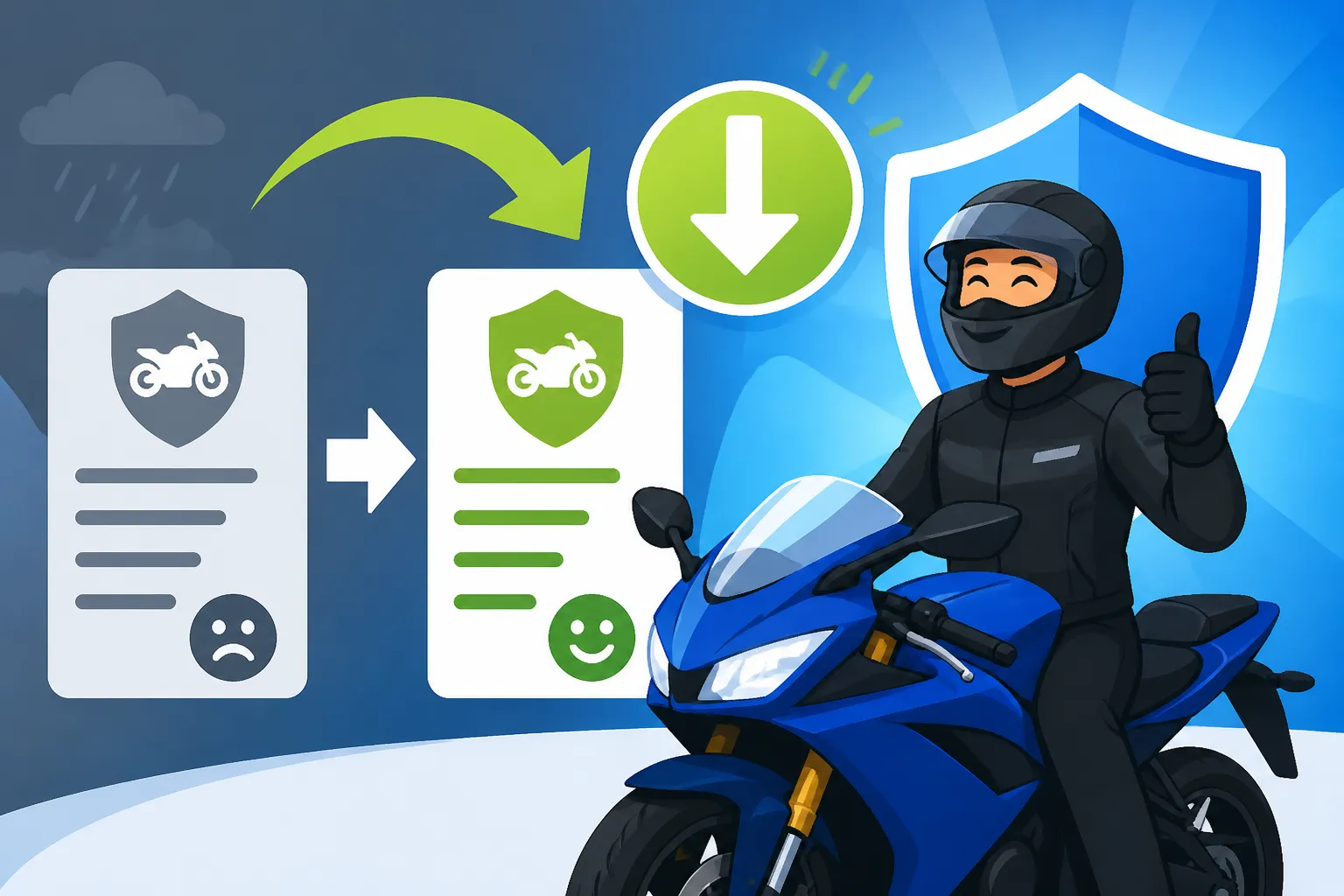
It’s a scenario many of us riders know all too well: you open that insurance renewal notice, and your heart sinks a little. Despite a year of safe riding, your motorcycle insurance premium has somehow managed to creep up again. It feels like you’re being punished for staying loyal, and honestly, it’s frustrating when you just want a fair shake. But don't despair! Switching insurers can often be the best way to hit the reset button and find a much better rate. This guide will walk you through exactly how to do it, making sure you leverage every possible advantage to lower your costs.
Understanding Why Your Rates Change and the Value of Shopping Around
One of the most confusing things about insurance is how much rates can fluctuate, sometimes without any obvious reason on your end. It’s easy to feel like you’re just a number in a giant algorithm, and in some ways, you are. But understanding these shifts is the first step to taking control.
The Shifting Sands of Insurance Premiums
Your motorcycle insurance rates aren't static; they're influenced by a dynamic interplay of factors, both personal and market-driven. While you might keep a spotless riding record, external elements can still cause your premiums to climb. For instance, if you've recently had a minor fender bender in your car or even a parking ticket, those incidents can sometimes trickle down and affect your motorcycle rate, even if they didn't happen on two wheels. Insurers view your overall risk profile, not just your motorcycle-specific one.
Beyond your personal history, the broader economic landscape plays a significant role. Inflation affects the cost of repairs, medical care, and legal fees, which in turn influences how much insurers need to collect in premiums to cover potential claims. If there's been an increase in motorcycle accidents or thefts in your geographic area, that can also lead to higher rates, as the perceived risk for everyone in that region goes up. It's truly disheartening to see your rates rise when you haven't done anything differently, but these are often the hidden forces at play. For a deeper dive into the factors at play, check out our guide on What Affects Your Motorcycle Insurance Rate?.
Why Switching Insurers Can Be Your Best Move
Given how many variables influence rates, staying loyal to a single insurer might actually be costing you money. Different insurance companies have different underwriting models, meaning they weigh various risk factors differently. What one company considers a significant risk factor – say, owning a high-performance sport bike – another might be more lenient on. This disparity creates a competitive market where shopping around becomes your superpower.
Think of it like this: your current insurer might have been the cheapest option for you five years ago, but their algorithms, preferred customer profiles, and discount structures might have changed. A new insurer could be actively looking for riders just like you right now, offering introductory rates and discounts to draw you in. By actively seeking out new quotes, you force these companies to compete for your business, often resulting in substantial savings. You don't have to feel "stuck" with a rising premium; empowering yourself to explore other options is often the most direct path to finding a better deal.
Preparing for Your Insurance Switch: Homework Pays Off
Before you even start collecting new quotes, a little bit of preparation can go a long way. Understanding what you currently have and what you truly need will make the comparison process smoother and ensure you're getting apples-to-apples quotes.
Deciphering Your Current Policy
The first crucial step is to pull out your current motorcycle insurance policy's declaration page. This document, often tucked away or found digitally, is your roadmap. It details every single coverage you have, from liability limits to comprehensive and collision deductibles, and any add-ons like roadside assistance or custom parts coverage. Many riders just glance at the total premium, but really digging into these specifics is vital. Are you paying for "new bike replacement coverage" on a 15-year-old cruiser? Do you really need the absolute maximum in accessories coverage if you've only added a new exhaust?
By understanding these elements, you can avoid over-insuring and identify areas where you might be able to trim costs without sacrificing essential protection. Make a list of your current coverage types and their limits, as well as your deductibles. This list will be your baseline when comparing new policies, ensuring you're not inadvertently opting for less coverage just to get a lower price. It's about being informed so you can make strategic decisions. If you're unsure about what coverage is truly necessary, our guide on What Motorcycle Coverage Do You Actually Need? can help clarify.
Getting Your Rider Profile in Order
Insurance companies assess risk based heavily on your rider profile and the characteristics of your motorcycle. Before seeking new quotes, it's wise to review and understand how these factors might be perceived. Start by checking your driving record. While minor infractions from years ago might have less impact, recent tickets or accidents are significant red flags for insurers. Ensure that any information on your record is accurate; sometimes errors can occur that unfairly hike your rates.
Next, get intimately familiar with your motorcycle's details. The make, model, year, and engine size are standard information, but also consider any modifications. Have you added custom paint, performance parts, or expensive aftermarket accessories? These additions might require specific coverage, like Accessories & Custom Parts Coverage Explained, and documenting them accurately will ensure proper valuation in case of a claim. Knowing these details upfront will allow you to provide precise information to prospective insurers, leading to more accurate quotes and potentially better rates. Furthermore, if you're curious how your bike type affects costs, read our article on Motorcycle Insurance Cost by Bike Type.
Proven Strategies to Drive Down Your New Premium
Once you've done your homework, it's time to actively seek out ways to make yourself a more attractive — and therefore cheaper — customer to a new insurer. There are several tried-and-true methods that can significantly reduce your premium.
Maximizing Discounts You Might Be Missing
Insurance companies love to offer discounts, and often, riders aren't even aware of all the savings they could be eligible for. When you're switching insurers, it's the perfect time to inquire about every single discount possible. Did you take a Motorcycle Safety Foundation (MSF) course recently? That can often lead to a significant "safety course discount." Many insurers, like Progressive and Dairyland, actively promote these. Are you insuring more than one bike? A "multi-bike discount" is common. Do you also have your car or home insurance with the same company? "Bundling" policies can provide a substantial reduction on all your premiums.
Don't forget the little things: anti-theft devices like alarms or GPS trackers can earn you a discount. Being a homeowner or even just having continuous insurance coverage without lapses can also qualify you for savings. Even some professional affiliations or being a veteran can sometimes unlock special rates. Seriously, ask about everything. It’s a bit like a scavenger hunt, but the treasure is money back in your pocket. Our comprehensive guide on Motorcycle Insurance Discounts You're Missing details many of these opportunities. Additionally, specifically for safety courses, consider "Does a Motorcycle Safety Course Lower Insurance?"
Optimizing Your Coverage Levels and Deductibles
While you never want to be underinsured, paying for more coverage than you realistically need is a sure way to inflate your premium. This is where your earlier review of your current policy comes in handy. For instance, if you ride an older motorcycle that's largely depreciated, maintaining full coverage – which includes collision and comprehensive – might not be the most financially savvy move. The payout you'd receive in a total loss might not justify the higher premiums. In such cases, switching to Liability-Only vs Full Coverage Cost might be a smarter choice, especially if the bike is paid off and you have enough savings to handle minor damages yourself.
Another powerful lever is your deductible. This is the amount you pay out of pocket before your insurance kicks in for a claim. Generally, a higher deductible means a lower premium. If you have a solid emergency fund and are comfortable covering a larger initial expense in the event of an accident or damage, raising your collision and comprehensive deductibles from, say, $500 to $1,000 or even $2,500 can lead to noticeable savings. Just be honest with yourself about what you can truly afford if an incident occurs. For a deeper dive into making these choices, check out our article on Full Coverage vs Liability: Which Should You Choose?.
Boosting Your Rider and Financial Standing
While some factors like your age or where you live are largely beyond your immediate control, there are still actions you can take over time to improve your standing in the eyes of insurers. The most impactful is maintaining a clean driving and riding record. Every year you go without an accident, a speeding ticket, or other moving violations demonstrates to insurers that you are a lower risk. This consistency builds a history of responsible behavior that translates directly into lower premiums over time. It's not a quick fix, but it's arguably the most powerful long-term strategy for cost reduction.
Beyond your riding habits, your credit score can also play a surprisingly significant role in your insurance rates in many states. Insurers often use what's called a "credit-based insurance score" to predict the likelihood of you filing a claim. A higher score typically indicates more financial responsibility, which is correlated with fewer claims. So, taking steps to improve your credit — like paying bills on time, reducing debt, and monitoring your credit report — can indirectly lead to better motorcycle insurance rates. It’s a win-win, as a good credit score benefits many other aspects of your financial life too.
The Comparison Game: Finding Your Best New Insurer
Now that you've prepped your policy knowledge and optimized your profile, it's time to hit the market. This is where the real savings often happen, but it requires a strategic approach.
The Power of Comparison Websites and Direct Quotes
The days of calling a dozen different insurance companies one by one for quotes are largely over, thank goodness! Now, the internet is your best friend. Comparison websites have revolutionized how we shop for insurance. Sites like The Zebra can gather quotes from multiple top-rated insurers—including big names like Geico, Progressive, and Allstate—after you enter your information just once. This saves a tremendous amount of time and effort, presenting you with a clear, side-by-side view of various options.
However, don't stop there. While comparison sites are excellent for getting a broad overview, some insurers, especially smaller, niche ones, might not always participate or provide their absolute best rates through these platforms. It's always a good idea to directly visit the websites of a few companies that stood out or that you've heard good things about, like Dairyland, Markel, or Harley-Davidson Insurance for specific bike types. This two-pronged approach ensures you're casting a wide net while also directly checking for potentially exclusive offers. Our guide on How to Compare Motorcycle Insurance Quotes offers more strategies to streamline this process.
Evaluating Insurers Beyond Just the Price Tag
While a lower premium is undoubtedly the primary goal when switching insurers, it’s crucial not to let price be your only deciding factor. A rock-bottom price might sound appealing, but if the company has a terrible reputation for customer service or drags its feet on claims, those initial savings could quickly turn into a massive headache down the line. Imagine you’ve had an accident and need to file a claim; you want an insurer that’s responsive, fair, and efficient, not one that leaves you hanging for weeks.
Before committing, take a moment to research potential insurers. Look up their customer reviews, check their financial stability ratings (from agencies like AM Best), and see how they fare in industry surveys regarding claims satisfaction. Do they offer 24/7 customer support? Is their online portal easy to use for managing your policy or filing a claim? You’re not just buying a piece of paper; you’re buying a promise that they’ll be there for you when you need them most. Our guide to the Best Motorcycle Insurance Companies (2027) can help you weigh these factors. Additionally, if you have unique needs like custom parts, ensure the insurer offers comprehensive Accessories & Custom Parts Coverage Explained, or if you want peace of mind on the road, consider their Roadside Assistance & Towing for Motorcycles options.
Reviewing Policy Details Meticulously
Once you have a handful of quotes that look promising, it’s time to put on your detective hat and scrutinize the details. Remember that list you made of your current coverage and limits? This is where it becomes invaluable. Don't just look at the bottom line premium; compare the exact coverage offered by each new quote against your current policy and against each other. Are the liability limits the same? Are the deductibles consistent for collision and comprehensive? Are specific add-ons like uninsured/underinsured motorist coverage or medical payments included at comparable levels?
Sometimes, a quote might appear significantly cheaper because it has lower coverage limits, higher deductibles, or excludes certain protections you currently have. You want to ensure you're comparing apples to apples, or at least understanding the differences if you're intentionally opting for less coverage. Ask questions if anything is unclear. It’s better to spend a bit more time understanding the nuances now than to discover a critical coverage gap when you really need it.
Executing a Seamless Transition
Once you've found the perfect new policy at a better rate, the final step is to make the switch without a hitch. This means careful timing and attention to detail to avoid any stressful situations.
The Timing is Everything: Avoiding Coverage Gaps
This is perhaps the most critical step in switching insurers: ensure there is absolutely no lapse in coverage. Imagine canceling your old policy one day, only to have a new policy not start until the next, and something happens in that interim. Even a few hours without coverage can expose you to immense financial risk. The golden rule is to have your new policy active and confirmed before you even think about canceling your old one.
Coordinate the effective dates precisely. Many people choose to have their new policy begin on the same day their old policy ends. Once your new policy is live, then you can confidently contact your previous insurer to cancel. Be clear about the cancellation date to avoid any overlap or, more importantly, any gaps. It's often best to call your old insurer directly for cancellation, rather than relying on an online portal, to ensure you get immediate confirmation. You can learn more about this process in our guide on How to Switch Motorcycle Insurance Companies.
Necessary Paperwork and Confirmation
After you've secured your new policy and confirmed its activation, you'll need to handle the administrative side of things. Your new insurer will provide you with proof of insurance cards and policy documents. Make sure to keep these accessible, whether as physical copies in your wallet or digitally on your phone, as you'll need them for riding and potential traffic stops. Our article on Proof of Insurance & Registration for Motorcycles can guide you on what forms are acceptable.
When canceling your old policy, remember to ask about any potential refunds for prepaid premiums. If you paid your policy in full for six months or a year, and you're canceling midway through, you're usually entitled to a prorated refund. Don't let that money slip away! Confirm with your old insurer when and how you can expect to receive any refund. This part of the process can sometimes take a few weeks, so be patient but persistent in following up if necessary. For more details on this, see our article, Do You Get a Refund When You Cancel Mid-Policy?.
When the Savings Aren't What You Hoped For
Sometimes, despite all your efforts, you might find that the rate reductions aren't as significant as you anticipated. It's certainly frustrating, but it doesn't mean you're out of options.
Persistent High Rates: What Might Be Going On?
If you've shopped around extensively, used comparison sites like The Zebra, and still aren't seeing the big drops you hoped for, it's time to consider deeper factors. One common culprit is the type of motorcycle you ride. High-performance sport bikes, particularly those with larger engines (e.g., 600cc and above), are inherently more expensive to insure due to their higher theft rates, increased risk of accidents, and the cost of parts and repairs. Similarly, certain custom bikes with unique modifications might also fall into a higher-risk category.
Another significant factor could be your personal history. If you've had multiple at-fault accidents, speeding tickets, or a DUI in recent years, these will flag you as a high-risk driver, leading to higher premiums across the board, regardless of the insurer. In some cases, you might even be required to carry an SR-22 filing, which almost always results in elevated rates. For a comprehensive overview of this, check out our guide on SR-22 for Motorcycles: When It's Required. Lastly, your geographic location plays a role; living in an area with high traffic, crime rates, or adverse weather conditions can lead to higher baseline rates for everyone.
Digging Deeper with Brokers or Niche Insurers
When the standard comparison approach isn't yielding the desired results, it's time to consider alternative avenues. An independent insurance broker can be a game-changer. Unlike agents who work for a single company (like a State Farm or Geico agent), brokers work with multiple insurers. They can tap into a wider network of carriers, including smaller, specialized companies that might not appear on popular comparison sites. These niche insurers sometimes have more flexible underwriting for unique situations, specific bike types, or riders with less-than-perfect records.
Brokers act as your advocate, understanding your specific needs and shopping on your behalf. They can often uncover policies and discounts that you might never find on your own. It might not always be the absolute lowest rate if your situation is complex, but they often find the best possible rate available given your circumstances. Don't be afraid to reach out to a reputable local broker if you feel like you've exhausted your online options and still aren't happy with your motorcycle insurance premiums.
Common Motorcycle Insurance Discounts
Finding the right discounts can make a big difference when trying to lower your rate. Here’s a quick overview of some common discounts and what they might save you.
| Discount Type | Description | Potential Savings | Eligibility & Notes |
|---|---|---|---|
| Multi-Policy/Bundling | Insuring your motorcycle along with your car, home, or renters insurance with the same company. | 5-20% | Highly recommended; almost all major insurers offer this (e.g., Progressive, Allstate). |
| Motorcycle Safety Course | Completing an approved motorcycle safety course (e.g., MSF Basic RiderCourse). | 5-15% | Must provide proof of completion; valid for a certain period (e.g., 3-5 years). |
| Multi-Bike | Insuring more than one motorcycle on the same policy. | 10-25% per bike | Savings typically apply to each additional bike. |
| Anti-Theft Device | Having an approved alarm, GPS tracker, or immobilizer installed on your bike. | 5-10% | Specific devices may be required; proof of installation needed. |
| Loyalty/Continuous Coverage | Staying with an insurer for a certain number of years, or simply maintaining coverage without lapses. | 2-10% | Some insurers reward loyalty, others just continuous coverage; varies by company. |
| Rider Group/Association | Being a member of certain motorcycle clubs or associations (e.g., H.O.G. for Harley-Davidson). | 5-10% | Check with your specific insurer and organization. |
| Paid in Full | Paying your entire premium upfront rather than in monthly installments. | 3-7% | Avoids administrative fees associated with monthly billing. |
| Homeowner | Owning your home. | 5-15% | Insurers often view homeowners as more financially stable. |
| Good Rider/Accident-Free | Maintaining a clean driving record with no at-fault accidents or major violations for a specified period. | 10-25% | Varies widely based on record length; can be combined with safe driver programs. |
| Mature Rider | For riders typically over a certain age (e.g., 55 or 60). | 5-10% | Reflects lower risk associated with experienced riders. |
Please note that these percentages are estimates and can vary significantly based on the insurance provider, your location, riding history, and specific policy details. Always inquire directly with potential insurers about the discounts they offer.
Disclaimer
The information provided in this article is for general informational purposes only and does not constitute financial, legal, or insurance advice. While we strive to offer accurate and up-to-date content, insurance policies and regulations can vary significantly by state and individual circumstances. It is essential to consult with a qualified insurance professional to discuss your specific needs and obtain personalized recommendations. Always review your policy documents carefully and understand your coverage before making any insurance decisions.