Motorcycle Registration Without Insurance: Possible?
We've all been there: you've just snagged your dream motorcycle, or maybe you're inheriting a classic from a relative, and you're buzzing with excitement. Then reality hits – before you can hit the open road, you need to navigate the maze of registration and insurance. The big question often pops up: can you even register your motorcycle without insurance? It's a common point of confusion and frustration, especially if you're not planning to ride it right away. This guide is here to untangle those complexities, dive deep into state-specific rules, and arm you with the knowledge you need to avoid costly mistakes and get your two-wheeled beauty legally sorted.
The Core Question: Is It Even Possible?
The short answer, and likely the one you don't want to hear, is generally no, you cannot register a motorcycle without insurance in most parts of the United States. It’s a bit of a chicken-and-egg situation: you need to register it to legally operate it, but you often need to insure it to register it. It's a system designed to ensure that anyone operating a vehicle on public roads can cover potential damages they might cause. However, like many things in the world of vehicle laws, there are nuances and state-specific exceptions that can make it seem like there's a way around it.
State-Specific Requirements Are Key
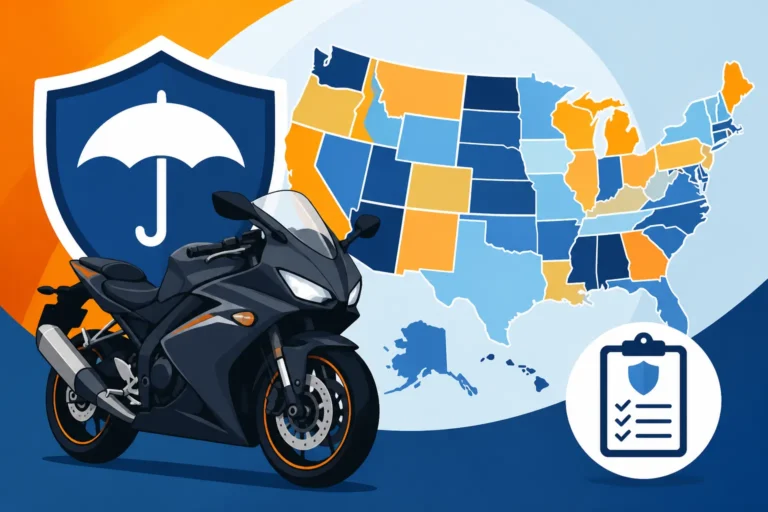
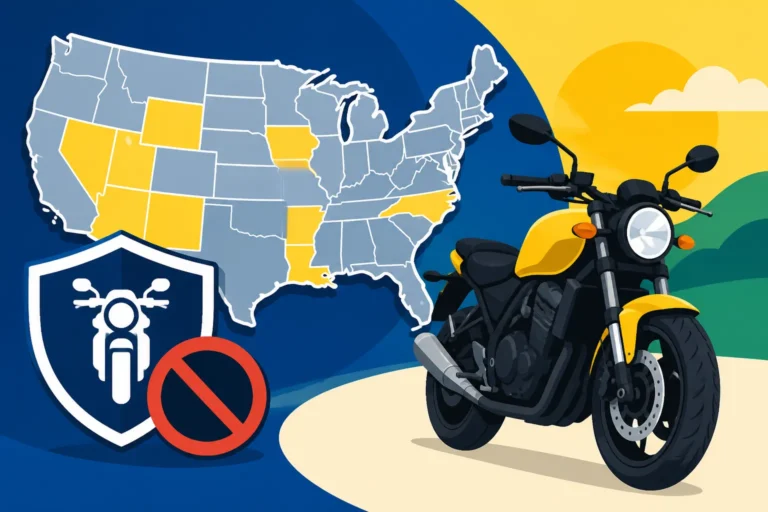
This is where things get tricky, because the rules aren't universal. Each state has its own specific requirements when it comes to vehicle registration, and that includes motorcycles. While the vast majority of states mandate proof of financial responsibility – usually in the form of motorcycle liability insurance – before you can even get your license plates, a small handful might operate slightly differently, at least on the surface. For instance, states like Florida and Washington technically don't require insurance for registration itself, but they absolutely require it to legally operate the motorcycle on public roads. Trying to ride without it in these states, even if registered, will lead to serious trouble. This contrasts sharply with states like California or New York, where you simply won't get your registration approved without showing valid insurance documentation right at the DMV counter. Understanding these subtle differences is crucial, because misunderstanding them can land you in a heap of legal and financial trouble.
Why the Confusion? Different Interpretations of "Operating"
A lot of the confusion stems from the distinction between owning a motorcycle, registering a motorcycle, and operating a motorcycle on public roads. Some state laws are meticulously worded to specify that insurance is required only for "operation," not necessarily for the initial act of putting your name on the title and getting a registration certificate. Think about it: if you're buying a project bike that's going to sit in your garage for a year while you restore it, why would you need full-blown liability insurance on it right away? Some states recognize this scenario. They might allow you to register it as a non-operational vehicle or simply not require insurance proof at the point of registration, knowing you still cannot legally ride it without it. However, this is a rare luxury. In the vast majority of cases, the act of registration is seen as the gateway to legal operation, and thus, insurance is tied directly to it. This means for most riders, if you want those plates, you better have that insurance policy ready.
States Where Insurance is Mandatory for Registration
Let's cut right to the chase: in most places, if you want those shiny new license plates for your motorcycle, you're going to need to show proof of insurance. There’s no getting around it for the average rider. This isn't just about covering your own bike; it's primarily about protecting other drivers and their property in case you're at fault in an accident. The state wants to ensure that if you cause damage or injury, there's a financial mechanism in place to compensate the victims.
The Majority Rule
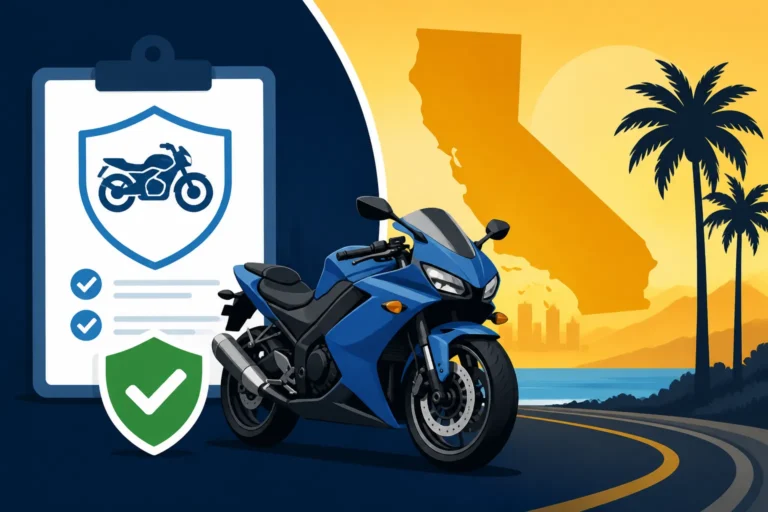
The reality is that most states across the U.S. enforce stringent rules requiring proof of insurance as a prerequisite for motorcycle registration. This means when you head to your local Department of Motor Vehicles (DMV), Department of Revenue, or Secretary of State office, you'll need to present not just your title and identification, but also a valid insurance card or policy declaration page. States like California, Texas, and New York are prime examples of this majority rule. In California, for instance, you are legally required to carry specific liability coverage amounts, and you'll need to certify this at the time of registration and renewal. Similarly, if you're getting a new bike registered in Texas, don't expect to leave with your plates unless you've got your insurance sorted. The same goes for Florida; while some might debate the nuances, you absolutely need insurance to drive legally, and it's generally required at registration or very shortly thereafter for proper compliance. The goal is simple: to reduce the number of uninsured motorists on the road and protect everyone from potential financial ruin after an accident. This makes sense when you consider the potential for serious injury and property damage that can occur in a motorcycle crash.
What Happens if You Try to Register Without It?
Attempting to register your motorcycle without the required insurance in these states is, quite frankly, a waste of your time and effort. You'll likely be met with a firm "no" from the DMV clerk. They won't process your registration, and you won't walk out with license plates. It's not usually a punitive action at this stage; they simply cannot complete the transaction according to state law. You'll be turned away and told to obtain the necessary insurance before returning.
Beyond the immediate rejection, there are other, more subtle implications. Repeated attempts or a general lack of understanding of the rules can be frustrating and delay your riding plans significantly. Imagine taking a day off work, waiting in line at the DMV, only to be told you can't register your bike because you didn't bring a piece of paper you thought wasn't necessary. It's a common scenario that could be easily avoided by doing your homework beforehand. The best practice is always to secure your motorcycle insurance policy before you even step foot in the registration office. That way, you’re prepared with your proof of insurance and registration for motorcycles and can sail through the process.
States Where You Might Be Able to Register Without Immediate Proof of Insurance
While the majority of states require insurance for registration, there are a few exceptions or specific scenarios where you might be able to register a motorcycle without immediately showing proof of an active insurance policy. These are generally states that rely on "financial responsibility" laws or offer specific options for vehicles not intended for immediate road use. However, a huge caveat: even if you can register it, riding without insurance on public roads is almost universally illegal and incredibly risky.
The "Financial Responsibility" Loophole
A small number of states operate under "financial responsibility laws," which technically allow you to prove your ability to pay for damages in an accident through means other than traditional insurance. This isn't unique to motorcycles, but applies to all vehicles. For example, some states might allow you to post a cash bond with the Department of Motor Vehicles, usually for a significant amount (think $25,000 to $75,000, depending on the state's minimum liability limits). Other options could include a certificate of self-insurance if you own a large fleet of vehicles, or even a surety bond.
The catch? These alternatives are almost never practical for the average motorcyclist. Who has tens of thousands of dollars sitting around to deposit with the state DMV instead of paying a few hundred bucks a year for an insurance premium? It's simply not a viable or cost-effective option for most. The financial responsibility laws for riders are primarily designed for specific commercial entities or very wealthy individuals who prefer to self-insure. For the rest of us, motorcycle liability insurance remains the most accessible, affordable, and practical way to meet legal requirements.
Storage or Non-Operational Status
Now, this is where a few states offer a sliver of flexibility. If your motorcycle isn't going to be ridden on public roads right away, perhaps it's a project bike, a race bike that's trailered to the track, or a classic that only comes out for shows, some states allow for specific types of registration that don't immediately demand proof of insurance.
For example, some states have options for "non-operational" registration or allow you to place your registration on "seasonal lay-up." These options are explicitly for vehicles that are not being driven on public highways. The purpose is usually to keep the title current and avoid late fees, but with the understanding that the bike cannot be moved under its own power on a public street. You might even be able to get a temporary operating permit for specific events like moving the bike to a repair shop or for a one-time transport. However, this is highly state-dependent, and the moment that motorcycle touches public pavement for actual riding, you'd better have proper insurance. If you're considering storing a motorcycle, it's worth exploring if you need insurance to store a motorcycle in your specific state, as some policies are designed specifically for bikes that aren't being ridden.
The Catch-22: You Still Can't Ride Legally
Here’s the absolute critical takeaway from this section: even if, by some specific state loophole or non-operational registration, you manage to get your motorcycle registered without immediately proving insurance, you absolutely, unequivocally, cannot ride it legally on public roads without insurance. This is the ultimate catch-22.
The purpose of registration is to link a vehicle to its owner and track its legal status. The purpose of insurance, particularly liability insurance, is to ensure financial protection for everyone on the road. These are separate, though often intertwined, legal requirements. If you manage to get plates for your bike without proof of insurance, and then decide to take it for a quick spin, you are exposed to immense legal and financial risk. Think of it like this: you might have a fishing license, but if you don't have the right tackle, you're not going to catch anything. Similarly, you might have registered your bike, but without insurance, you don't have the legal "tackle" to ride it safely and legally on the road. This distinction is paramount, and ignoring it can lead to devastating consequences, including hefty fines, vehicle impoundment, and personal liability for any damages you cause.
The Risks of Registering Without Insurance (Even if Allowed)
Even in the rare instances where you might be able to register your motorcycle without immediately providing proof of insurance, taking that bike out on public roads uninsured is an invitation to disaster. The risks involved far outweigh any perceived benefit or cost savings. We're not just talking about a slap on the wrist; we're talking about legal entanglements and financial ruin that could follow you for years.
Legal Ramifications of Riding Uninsured
Let's be clear: riding a motorcycle without the minimum required liability insurance on public roads is illegal in almost every state, regardless of whether you managed to register it. The penalties are severe and designed to deter uninsured driving. For a first offense, you could be looking at hefty fines that can easily run into hundreds or even thousands of dollars. Beyond monetary penalties, states often impose points on your driving record, which can lead to increased insurance premiums down the line (if you can even find an insurer willing to cover you).
Furthermore, your driver's license can be suspended for a significant period. Imagine not being able to drive any vehicle, not just your motorcycle, for months or even years. Your motorcycle itself can be impounded, meaning you'll have to pay towing fees, storage fees, and then still show proof of insurance to get it back, compounding your financial burden. In states like California, the penalties for riding without insurance are particularly stringent, often involving significant fines and license suspension. In Texas, you could face fines, vehicle impoundment, and an SR-22 for motorcycles requirement, which dramatically increases your future insurance costs. Florida also imposes severe penalties, including fines and suspension of driving privileges. In some extreme cases, repeated offenses can even lead to jail time. It's a situation you absolutely want to avoid, and understanding the penalties for riding without insurance is crucial.
Financial Catastrophe in Case of an Accident
The legal ramifications are just one side of the coin; the financial fallout from an accident while uninsured can be catastrophic. Think about it: liability insurance is there to protect you from the financial consequences of causing an accident. If you're at fault in a collision and don't have insurance, you are personally responsible for all damages and injuries.
This means you could be on the hook for tens of thousands, or even hundreds of thousands, of dollars for the other party's medical bills, property damage to their vehicle, lost wages, and pain and suffering. If the other party decides to sue you, which is highly probable, your personal assets – your savings, your home, your future earnings – could be at risk. Even a minor fender bender could lead to substantial repair costs for someone else's car, let alone the potential for significant medical expenses if they're injured. Without insurance, there's no safety net, and you're left to pay out of pocket. This can be a crippling blow, impacting your financial stability for years, possibly decades. This is why having at least minimum liability insurance explained (the three numbers) is so important.
Difficulty Getting Insurance Later
Riding uninsured, or even having a lapse in coverage, can paint you as a high-risk driver in the eyes of insurance companies. This directly impacts your ability to obtain affordable motorcycle insurance in the future. Insurers assess risk based on your driving history, including any periods where you were uninsured. A lapse in coverage signals to them that you're either irresponsible or that you've been caught without insurance, both of which raise red flags.
When you do finally seek coverage, you might find that fewer companies are willing to insure you, and those that are will likely charge significantly higher premiums. You might even be required to get an SR-22 filing for motorcycles, which is a certificate of financial responsibility that proves you have insurance, often required for high-risk drivers. This not only increases your premiums but also makes it harder to switch insurers. It's a vicious cycle where trying to save a few dollars upfront can end up costing you exponentially more in the long run. The best way to secure reasonable rates is to maintain continuous coverage and a clean driving record.
Practical Steps and Alternatives for Riders
Navigating the world of motorcycle registration and insurance can feel like a headache, but it doesn't have to be. With a bit of planning and understanding, you can ensure your bike is legally registered and insured, setting you up for worry-free rides. Instead of looking for loopholes, focus on straightforward solutions that keep you protected and compliant.
Get Quotes Before Registration
The smartest move you can make when buying a new or new-to-you motorcycle is to secure insurance quotes before you even head to the DMV for registration. Many dealerships will even help you with this process, but you can also easily do it online or over the phone. Getting quotes ahead of time allows you to compare prices and coverage options from various providers like Progressive, Geico, and Dairyland, ensuring you get the best deal for your specific needs. It also means you’ll have your proof of insurance ready the moment you need to register your bike.
Imagine buying a beautiful new Harley-Davidson or a sleek Kawasaki Ninja, and then realizing you can't even get it home or registered without insurance. By getting quotes first, you eliminate that last-minute scramble and stress. You'll know exactly what to expect in terms of cost and can factor that into your overall budget for the motorcycle. This proactive approach ensures a smooth transition from buyer to legal rider.
Minimum Coverage to Ride Legally
Once you're shopping for insurance, you'll inevitably encounter discussions about minimum coverage. Every state that requires motorcycle insurance mandates a certain level of liability coverage. This typically covers bodily injury and property damage you might cause to other people and their property in an accident where you are at fault. It's usually represented by three numbers, like 25/50/25, which signifies $25,000 for bodily injury per person, $50,000 for total bodily injury per accident, and $25,000 for property damage per accident.
While meeting these minimums will allow you to ride legally, it's essential to understand that it's often the bare minimum and may not adequately protect your assets if you're involved in a severe accident. For example, if you cause an accident that results in $100,000 in medical bills for the other party, and your policy only covers $25,000 per person, you'd be personally responsible for the remaining $75,000. Therefore, while minimum coverage to ride legally in each state is a good starting point, many riders choose to increase their liability limits for greater peace of mind. You should also consider additional coverages like uninsured and underinsured motorist coverage, which protects you if you're hit by a driver who doesn't have enough (or any) insurance.
Temporary or Non-Operational Registration
For those unique situations where your motorcycle won't be immediately hitting the pavement, some states offer alternatives that can help you with registration without needing a full insurance policy right away. This is especially useful for bikes that are undergoing restoration, are primarily used for off-road activities and trailered to sites, or are simply being stored for the winter.
Many states allow you to register a vehicle as "non-operational." This means the state recognizes you own the vehicle, but it's officially declared off the road. You pay a reduced registration fee, and you typically aren't required to show proof of insurance because the bike won't be driven on public highways. This helps avoid late registration penalties and keeps your title clear. Additionally, some states offer temporary permits, often valid for a few days or weeks, specifically for moving a newly purchased vehicle from the point of sale to your home, or to a repair shop. These permits may or may not require proof of insurance, but if they do, it's usually for a very basic liability policy. It's crucial to check your specific state's DMV website or contact them directly to understand if these options are available and what the exact requirements are. Remember, these options are not a license to ride without insurance; they are strictly for non-operational or temporary transit purposes. If you plan to ride your bike at any point, you will eventually need the appropriate motorcycle insurance requirements by state (2026 Guide).
State-by-State Overview: Motorcycle Insurance & Registration
To give you a clearer picture, here's a brief look at how some states handle motorcycle insurance and registration requirements. Please remember that laws can change, and it's always best to verify with your local DMV or an insurance professional.
| State | Insurance Required for Registration? | Required for Legal Operation? | Common Penalties for No Insurance (Riding) |
|---|---|---|---|
| California | Yes | Yes | Fines, license suspension, vehicle impoundment |
| Texas | Yes | Yes | Fines, license suspension, SR-22, vehicle impoundment |
| Florida | Yes (or proof of financial responsibility) | Yes | Fines, license suspension, vehicle impoundment |
| New York | Yes | Yes | Fines, license suspension, vehicle impoundment |
| Washington | No (but highly recommended to obtain immediately after) | Yes | Fines, license suspension, vehicle impoundment |
| Pennsylvania | Yes | Yes | Fines, license suspension |
| New Hampshire | No (Financial Responsibility Law applies, but insurance is common) | Yes (if no other proof of financial responsibility) | Fines, license suspension, SR-22 |
| Montana | No (but required for operating if involved in an accident) | Yes | Fines, potential license suspension |
In states like Washington and Montana, while you might technically register without showing proof of insurance, the moment you operate that bike on a public road, you are legally obligated to have insurance. If you're pulled over or, worse, involved in an accident, the consequences for not having it are the same as in states that require it for registration. It’s a very fine line, and playing around with it simply isn't worth the risk. Always make sure you have what insurance do you need to ride a motorcycle legally.
Disclaimer
Please note that motorcycle insurance laws and requirements are subject to change and vary by state. This information is intended for general guidance and informational purposes only, and does not constitute legal or financial advice. Always consult with your state's Department of Motor Vehicles or a qualified insurance professional for the most accurate and up-to-date information regarding your specific situation.