Do You Need a Motorcycle Endorsement to Get Insurance?
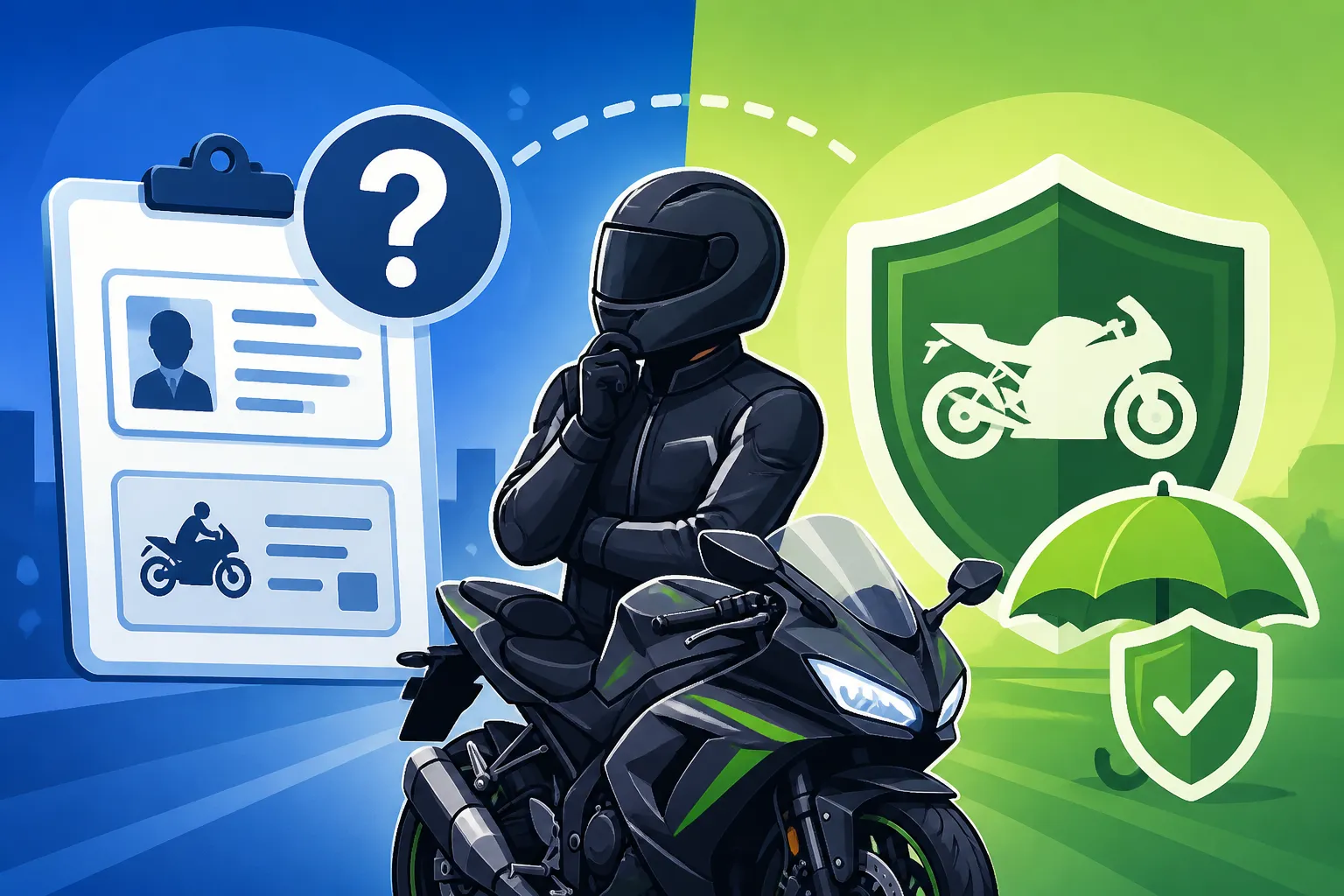
It’s a question that pops into almost every new rider's head, and honestly, it’s a valid one that can cause a fair bit of confusion: "Do I need a motorcycle endorsement to get insurance?" You’re eager to hit the open road, maybe you’ve even picked out your dream bike, but then this administrative hurdle looms large. You want to make sure you’re legal, protected, and not throwing money away. This guide is here to untangle that knot, explain the ins and outs of motorcycle insurance requirements, and help you understand how your licensing status impacts your ability to secure coverage.
The Core Question: Endorsement and Insurance Eligibility
Let's cut right to the chase because this is the primary concern for many aspiring riders: generally, yes, you absolutely need some form of valid licensing, usually a motorcycle endorsement or a learner's permit, to even be considered for motorcycle insurance. Think about it from an insurer's perspective. They’re taking on a risk when they agree to cover you. If you’re not legally qualified to operate the vehicle, that risk skyrockets, and most companies simply won't touch it. It’s like trying to get car insurance without a driver's license; it just doesn't fly.
The underlying principle here is all about risk assessment and legal compliance. Insurance companies are businesses, and they need to ensure that the people they’re insuring are adhering to the fundamental laws of the road. Riding a motorcycle requires specific skills and knowledge, which is why states mandate endorsements in the first place. If you haven't demonstrated that you possess those skills, insurers see you as a much higher liability. It's not about being a killjoy; it's about managing exposure to potential claims.
Why Insurers Care About Your Endorsement Status
Insurance companies are essentially betting on your ability to ride safely and responsibly. Your motorcycle endorsement is your official proof that you've passed the necessary tests – both written and practical – to legally operate a motorcycle in your state. Without it, you're considered an unqualified operator in the eyes of the law, which translates to a significant liability for an insurance provider.
Imagine a scenario where you're involved in an accident without an endorsement. Not only are you facing potential legal repercussions for riding illegally, but your insurance company could very well deny your claim. Why? Because you violated a fundamental condition of your policy: being a legally licensed operator. This isn't just a minor technicality; it's a huge red flag for insurers. They assume, quite rightly, that someone who hasn't bothered to get an endorsement might also be less inclined to follow other rules of the road, leading to a higher chance of accidents. Companies like Progressive, Geico, and Dairyland all consider your licensing status a primary factor in both eligibility and premium calculation, understanding that a properly licensed rider generally poses less risk.
The Provisional Period: Learner's Permits and Insurance
Now, here’s where it gets a little more nuanced and offers a glimmer of hope for those just starting out. While a full endorsement is the ultimate goal, many insurance providers will offer coverage to riders who possess a valid motorcycle learner's permit. This is a crucial distinction. A learner's permit acknowledges that you are in the process of becoming a fully endorsed rider and are permitted to operate a motorcycle under certain restrictions (like no nighttime riding, no passengers, or riding only with a fully endorsed rider).
When you have a learner's permit, insurance companies recognize that you are making a good-faith effort to comply with state laws and acquire the necessary skills. They understand that everyone has to start somewhere. However, don't expect the same rates or coverage options as a fully endorsed rider. The insurer is still taking on a higher risk because you're still learning. Think of it as a probationary period for both your riding skills and your insurance relationship. The coverage might be more basic, or the premiums might be higher, reflecting that increased risk. For more details, you might want to check out our guide on whether "Is Motorcycle Insurance Mandatory for a Learner's Permit?".
Navigating Insurance Without a Full Endorsement
Let's dive deeper into the practicalities of getting insured when you're still working towards that full "M" on your license. It's a common path for new riders, and understanding the landscape can save you a lot of headaches – and potentially, a lot of money.
Insurance for Riders with a Motorcycle Permit
If you're holding a motorcycle learner's permit, securing insurance is definitely possible, but it comes with a few caveats. Most major insurance carriers that offer motorcycle policies – think names like State Farm or Allstate – have provisions for permit holders. They understand that the permit phase is a necessary step in the licensing process. However, the type of coverage you can get, and its cost, will reflect your provisional status.
Typically, you'll be able to get basic liability insurance, which covers damages or injuries you might cause to others if you're at fault in an accident. This is often the minimum legal requirement to ride in most states, even on a permit. However, getting comprehensive and collision coverage, which protects your own bike from theft, damage, or an accident, might be more challenging or come with significantly higher premiums. Why? Because with a permit, you're statistically more likely to be involved in a minor incident, like dropping the bike in a parking lot, simply due to inexperience. Insurers factor that into their pricing. It’s a good idea to research "Motorcycle Insurance Requirements by State (2026 Guide)" to understand the minimums for your specific area.
Potential Roadblocks and Higher Premiums
Riding with just a permit inherently carries a higher risk profile for insurance companies. Because you're still learning, there's a greater chance of a minor mishap or a more serious accident. This increased risk translates directly into higher insurance premiums. Don't be surprised if your rates are notably steeper than those quoted for a rider with years of experience and a full endorsement.
Another potential roadblock is the scope of coverage. Some insurers might limit the amount of coverage they'll offer to a permit holder, or they might impose higher deductibles. Furthermore, the restrictions placed on your permit by your state – such as not being allowed to carry passengers or ride at night – are also important. If you violate these permit restrictions and are involved in an accident, your insurance company might deny your claim, even if you paid your premiums faithfully. This is a critical point that many new riders overlook. Always adhere strictly to the terms of your learner's permit to ensure your insurance remains valid. It's worth remembering that getting your full endorsement as quickly and safely as possible is the best way to reduce these roadblocks and eventually lower your costs.
The Link Between Licensing, Risk, and Rates
It's no secret that insurance companies are all about risk. The less risk you pose, the more favorable your rates. Your licensing status is one of the biggest indicators of that risk, but it's not the only one. Understanding how these factors intertwine can help you make smart choices as a rider.
How Insurers Assess Rider Risk
Beyond your endorsement, insurance companies look at a whole host of factors to determine your individual risk profile and, by extension, your premiums. This isn't just about whether you have a license; it's about the bigger picture of who you are as a rider.
Here's a breakdown of common factors:
- Riding Experience: This is huge. A rider with decades of experience and a clean record is generally seen as much lower risk than a brand-new rider. Your years with a full endorsement matter.
- Age: Younger riders, particularly those under 25, typically face higher premiums because statistical data shows they are more prone to accidents. Conversely, mature riders often enjoy lower rates. You can learn more about this in our article on "Motorcycle Insurance Cost by Age".
- Motorcycle Type: Is it a high-performance sport bike? A cruiser? A touring bike? The type of motorcycle plays a significant role in insurance costs. Sport bikes, for instance, are often more expensive to insure due to their higher theft rates and greater potential for speed-related accidents.
- Driving Record: Any past traffic violations, accidents (even in a car), or DUIs will severely impact your rates. A clean record is your best friend when it comes to affordable insurance.
- Location: Where you live and where you store your bike matters. Urban areas with higher traffic density or theft rates typically see higher premiums than rural areas.
- Credit Score: In many states, your credit-based insurance score can influence your premiums, as it's often seen as an indicator of responsibility.
- Coverage Choices: The types and limits of coverage you choose (liability-only vs. full coverage) directly impact your premium. For a deeper dive into what different coverage types entail, check out "Types of Motorcycle Insurance Coverage Explained".
All these data points come together to create a personalized risk assessment, which then dictates your premium.
Discounts for Experienced and Endorsed Riders
The good news is that once you've secured your full motorcycle endorsement and gained some experience, you'll open the door to a variety of discounts that can significantly lower your insurance costs. Insurers want to reward responsible, experienced riders.
Here are some common discounts you might qualify for:
- Motorcycle Safety Course Discount: This is one of the most widely available and impactful discounts. Completing an approved motorcycle safety course (like those offered by the Motorcycle Safety Foundation – MSF) not only makes you a safer rider but can also shave a good chunk off your premiums. Many insurers, including giants like Progressive and Allstate, offer this.
- Experienced Rider/Clean Record Discount: The longer you ride with a clean driving and claims history, the better your rates tend to be. This is the reward for consistent, safe riding.
- Multi-Policy Discount: Bundling your motorcycle insurance with your car insurance, home insurance, or renters insurance from the same provider can often lead to substantial savings. This is a common strategy offered by most major insurers to encourage customer loyalty.
- Anti-Theft Device Discount: If your bike has factory-installed or aftermarket anti-theft devices, some insurers will offer a discount.
- Lay-Up/Seasonal Rider Discount: If you live in a region with harsh winters and store your bike for several months, some companies offer discounts for periods when your bike is not actively being ridden on the road.
- Riding Group/Association Discounts: Belonging to certain motorcycle clubs or associations might also qualify you for a discount with some insurers.
By actively pursuing these discounts, especially after getting your full endorsement and gaining experience, you can dramatically reduce your "How Much Is Motorcycle Insurance? 2026 Cost Guide".
State-Specific Variations and Legalities
When it comes to motorcycle endorsements and insurance, it's absolutely crucial to remember that laws vary significantly from state to state. What's perfectly legal in one place might land you in hot water just across the border. This patchwork of regulations can be a real headache, which is why doing your homework for your specific state is non-negotiable.
General State Requirements for Riding Legally
Every state has its own specific requirements for legally operating a motorcycle. While the general concept of an "endorsement" or "license" is universal, the process to get it, the restrictions associated with learner's permits, and the minimum insurance requirements can differ wildly.
For example, most states require a separate motorcycle endorsement (often an "M" class or similar) added to your standard driver's license. To get this, you usually have to pass a written knowledge test and a practical riding test. Some states, like Florida, might allow you to complete an approved motorcycle safety course to waive the riding portion of the test. Other states, like Texas, have a tiered licensing system based on engine size.
And then there's the insurance itself. While nearly every state mandates some form of liability insurance for motorcycles, the specific minimum coverage amounts (often expressed as three numbers like 25/50/25) can vary. For instance, California’s minimums are 15/30/5, while Maine’s are 50/100/25. Understanding these numbers is vital, and you can learn more about them in our detailed explanation of "Minimum Liability Insurance Explained (The Three Numbers)". Always confirm your state's specific requirements to ensure you're riding legally and properly insured. Our guide, "Is Motorcycle Insurance Required? State-by-State", offers a great overview.
Here’s a simplified table comparing some general requirements, but always double-check with your state's DMV or equivalent agency:
| State | Motorcycle Endorsement Required | Learner's Permit Insurance Available | Minimum Liability Coverage (example) | Motorcycle Safety Course Benefit |
|---|---|---|---|---|
| California | Yes | Yes | 15/30/5 | May waive riding test, discount |
| Texas | Yes | Yes | 30/60/25 | May waive riding test, discount |
| Florida | Yes | Yes | 10/20/10 (PIP optional) | Waives riding test, discount |
| New York | Yes | Yes | 25/50/10 | Discount |
| Arizona | Yes | Yes | 25/50/15 | May waive riding test, discount |
Note: Minimum coverage refers to Bodily Injury Liability per person/per accident and Property Damage Liability. These are examples and should be verified with current state regulations.
The Impact of No Endorsement on Claims
This is where riding without the proper endorsement can become a truly catastrophic mistake, far beyond just a traffic ticket. If you're involved in an accident and you don't have the legally required motorcycle endorsement, your insurance policy could be nullified. This means the insurance company might deny your claim entirely.
Let's break down a hypothetical, but very real, scenario: You're riding your motorcycle, you have an active insurance policy, but you only have a regular driver's license, not a motorcycle endorsement. You get into an accident that's your fault, causing significant damage to another vehicle and injuries to its occupants. You file a claim with your insurance company. Upon investigation, they discover you were operating the motorcycle without the legally required endorsement. What happens? They could deny coverage for the other party's damages and injuries, as well as any damage to your own bike (if you had collision coverage).
This leaves you personally responsible for all the costs, which could easily amount to tens or even hundreds of thousands of dollars in medical bills, property damage, and legal fees. The financial repercussions can be devastating, leading to bankruptcy, garnished wages, and destroyed credit. It’s not just about the legal penalties for riding without insurance, which are severe enough, but the complete lack of financial protection when a claim arises. For a deeper understanding of these risks, read our article on "What Happens If You Ride Without Insurance?". It emphasizes that your endorsement is not just a piece of paper; it's a foundational element of your insurance contract.
Steps to Getting Your Endorsement and Proper Insurance
So, you're convinced that getting your motorcycle endorsement is the smart, legal, and financially responsible way to go. Excellent! Now, let's talk about how to get there and ensure you're properly insured every step of the way.
Getting Your Motorcycle Endorsement: A Quick Guide
The process for getting your motorcycle endorsement varies slightly by state, but the general pathway is quite consistent. It’s designed to ensure you have the foundational knowledge and practical skills to ride safely.
- Obtain a Learner's Permit: Your first step is almost always to acquire a motorcycle learner's permit. This typically involves passing a written knowledge test that covers motorcycle-specific laws, safe riding practices, and road signs. You might also need to pass a vision screening. Once you have this permit, you can begin practicing riding under specific restrictions (e.g., no passengers, no highway riding, daytime only). This is often the stage where you'd be looking for initial insurance coverage.
- Practice and Gain Experience: The permit phase is crucial for hands-on learning. Many states recommend, or even require, a certain amount of practice time. This is where a motorcycle safety course comes in handy not just for the skills but often for bypassing the riding test.
- Complete a Motorcycle Safety Course (Optional, but Highly Recommended): Seriously, if you're on the fence about this, just do it. Courses like those offered by the Motorcycle Safety Foundation (MSF) provide invaluable training in a controlled environment. Not only do they teach you essential riding skills and emergency maneuvers, but in many states, completing a course allows you to waive the dreaded DMV riding test. Plus, as we discussed, it almost always qualifies you for an insurance discount.
- Pass the Riding Test (if not waived): If you don't take a safety course that waives the test, you'll need to demonstrate your riding proficiency at the DMV. This usually involves maneuvers like cone weaves, U-turns, and emergency stops, all designed to assess your control and judgment.
- Receive Your Endorsement: Once you've successfully completed all the requirements, your state's Department of Motor Vehicles (or equivalent) will add the motorcycle endorsement to your existing driver's license. Congratulations, you're officially a fully licensed rider!
Remember, this process isn't just about jumping through hoops; it's about becoming a competent and confident rider, which ultimately makes the roads safer for everyone. For more on this, check out our piece on "Motorcycle License, Endorsement & Insurance".
Shopping for Insurance with a Permit or Full Endorsement
Whether you're starting with a learner's permit or you've just proudly earned your full endorsement, the next logical step is securing the right motorcycle insurance. The good news is that the process for getting quotes is pretty straightforward.
- Gather Your Information: Before you start calling or going online, have all your details ready: your personal information, driver's license number (and permit/endorsement status), the year, make, model, and VIN of your motorcycle, and details about any safety courses you've completed.
- Shop Around, Seriously: This is paramount. Never settle for the first quote you get. Different insurance companies specialize in different types of riders or bikes, and their pricing models can vary wildly. Compare quotes from several providers. Look at major national carriers like Progressive, Geico, Allstate, and State Farm, but also consider specialty motorcycle insurers like Dairyland or Markel, who often have competitive rates for certain rider profiles. Use online comparison tools or work with an independent insurance agent who can shop multiple carriers for you. Our guide on "How to Compare Motorcycle Insurance Quotes" can walk you through the specifics.
- Be Transparent About Your Endorsement Status: When getting quotes, always be upfront about whether you have a learner's permit or a full endorsement. Trying to mislead an insurer could lead to denied claims later, which is the last thing you want.
- Understand Your Coverage Options: Don't just look at the price. Understand what each policy offers. Do you need basic liability, or do you want the full protection of comprehensive and collision? Consider adding uninsured/underinsured motorist coverage, medical payments coverage, or even roadside assistance. The cheapest policy isn't always the best value if it leaves you exposed to significant financial risk.
- Ask About Discounts: Always, always ask what discounts you qualify for. Safety course discounts, multi-policy discounts, mature rider discounts, anti-theft discounts – every little bit helps bring down that premium.
- Review the Policy Details Carefully: Once you choose a policy, read through the terms and conditions. Pay close attention to any exclusions or specific clauses related to your endorsement status, especially if you're riding on a permit.
Getting the right insurance is about more than just checking a box; it's about peace of mind and protecting your financial future on the road.
Final Thoughts on Your Endorsement and Insurance
Riding a motorcycle offers unparalleled freedom and exhilaration, but it also comes with significant responsibilities. One of the most fundamental of these is ensuring you're properly licensed and insured. As we've explored, the answer to "Do you need a motorcycle endorsement to get insurance?" is almost universally yes, in some form – whether it's a learner's permit or a full endorsement.
Your endorsement isn't just a legal formality; it's a testament to your basic competence as a rider, and insurers view it as a critical factor in assessing your risk. Without it, you're not just risking legal penalties; you're risking a devastating financial blow in the event of an accident, as your insurance company could very well deny your claim.
So, take the time, get the training, earn that endorsement, and then shop wisely for a policy that gives you the peace of mind to truly enjoy every mile of your journey. The open road is calling, and with the right credentials and coverage, you'll be ready to answer.
Disclaimer
Please remember that insurance laws and requirements can change, and state-specific regulations always supersede general advice. This article provides general information and recommendations. It is crucial to consult with your state's Department of Motor Vehicles (or equivalent agency) and a qualified insurance professional to understand the precise requirements and options available to you. Insurance policies are contracts, and their terms and conditions govern coverage.