Dairyland vs Markel: Motorcycle Rates
Figuring out which motorcycle insurance company is the right fit can feel like navigating a maze blindfolded. You've heard names tossed around, seen ads, but when it comes down to comparing specifics like rates and coverage, it's tough to get clear answers. This guide is all about cutting through that confusion, specifically diving into what you can expect when weighing Dairyland and Markel for your motorcycle insurance needs.
Understanding What Drives Motorcycle Insurance Rates
Before we jump into Dairyland and Markel, let's talk about the universal truths of motorcycle insurance rates. It’s not just a random number an underwriter pulls out of a hat; there's a whole formula behind it, taking into account a ton of factors specific to you and your ride. Knowing these can help you understand why one quote might be higher or lower, and perhaps even help you strategize to lower your premiums. If you want a deeper dive, check out our comprehensive guide on what affects your motorcycle insurance rate.
Rider Demographics and Experience
Your personal profile plays a huge role in how much you’ll pay. Insurance companies are all about risk assessment, and unfortunately, some demographics are statistically riskier than others.
Younger riders, especially those under 25, often face higher premiums. It's not a personal slight; it's simply because statistics show that less experienced riders tend to be involved in more accidents. This can be a real punch to the gut when you're just starting out and trying to afford your first bike. Similarly, your riding history, including any past accidents, traffic violations, or even a DUI, will significantly impact your rates. A clean driving record is like gold in the insurance world. On the flip side, seasoned riders with years of experience and a spotless record are typically rewarded with more favorable rates. The longer you've been riding without incident, the more trustworthy you appear to an insurer. Even something as simple as successfully completing a motorcycle safety course can make a positive difference in your perceived risk.
Motorcycle Type and Usage
The bike you ride and how you use it are massive factors in your insurance cost. Not all motorcycles are created equal in the eyes of an insurance provider.
Sport bikes, for example, are almost universally more expensive to insure than cruisers or touring bikes. Why? Because they're often associated with higher speeds, more aggressive riding, and consequently, a higher likelihood of serious accidents. The cost to repair them, with their intricate fairings and performance parts, can also be substantial. Engine size (CCs) also plays a part, with larger, more powerful engines often correlating to higher premiums. Then there’s the value of your bike. A brand-new Harley-Davidson Street Glide will naturally cost more to insure for comprehensive and collision coverage than an older, lower-value Suzuki Savage. Beyond the bike itself, how much you ride and where you store it can also influence your rates. High annual mileage suggests more time on the road, increasing exposure to risk. If you're wondering how your specific bike stacks up, you might find our article on motorcycle insurance cost by bike type really helpful.
Location and Storage
Where you live, and even where you park your motorcycle, can shift your insurance rates considerably. This often surprises riders, but it makes a lot of sense from an insurer's perspective.
Urban areas generally have higher rates than rural ones. More traffic, higher population density, and increased chances of accidents or theft contribute to this. Even within a city, specific zip codes can have vastly different rates based on local crime statistics or traffic patterns. For instance, someone living in downtown Los Angeles will likely pay more than someone in a quiet suburb of Bakersfield, simply due to the differing risk environments. States also have their own regulations and minimum coverage requirements, which affect the baseline cost. Beyond geographical location, how you store your bike when it's not in use matters. Parking it in a locked garage is always better than leaving it on the street or in an open driveway, as it significantly reduces the risk of theft or vandalism. Some companies even offer discounts for secure storage solutions, recognizing the reduced risk.
Dairyland Motorcycle Insurance: What Riders Can Expect
Dairyland Insurance has carved out a specific niche in the motorcycle insurance market, often being a go-to for riders who might struggle to find affordable coverage elsewhere. They’re known for their flexibility and accessibility, making them a solid choice for many.
Dairyland's Target Market and Strengths
Dairyland is often considered a "non-standard" insurer, which means they specialize in providing coverage to a broader range of riders, including those with less-than-perfect driving records, new riders, or those with unique coverage needs. If you've had a few tickets, an accident, or are just getting started on two wheels, Dairyland might be more forgiving and offer more competitive rates than some of the larger, mainstream providers. They understand that not everyone fits into a neat, low-risk box, and they aim to provide solutions for those riders. Their strength lies in making insurance accessible without breaking the bank, particularly for those who are struggling to find options. They focus heavily on affordability and meeting state minimum requirements, which can be a huge relief for budget-conscious riders. Many riders who've had an SR-22 filing requirement after a violation find Dairyland to be a lifesaver, offering viable options when others don't.
Common Coverage Options and Discounts with Dairyland
Dairyland offers all the essential motorcycle insurance coverages you’d expect, from liability to comprehensive and collision. They also provide a range of add-ons to customize your policy, such as roadside assistance, medical payments, and coverage for custom parts and accessories.
What often stands out with Dairyland are their numerous discounts, which can help bring down the cost even further. They offer discounts for transferring from another insurer, owning multiple policies with them (even if it's not a car policy), having a motorcycle endorsement on your license, completing a motorcycle safety course, and being a mature rider. They even have discounts for remaining accident-free or being a loyal customer. While their base rates might seem appealing, it’s always worth stacking up as many of these discounts as possible. They aim to be a budget-friendly option, and these discounts are a testament to that. If you're specifically looking for ways to save money, researching Dairyland's discount offerings can be a productive step in how to get cheap motorcycle insurance.
Markel Motorcycle Insurance: Tailored Coverage for Enthusiasts
Markel Insurance, on the other hand, often appeals to a slightly different segment of the motorcycle community. They are renowned for their specialized coverage options, particularly catering to classic bike owners, custom builders, and those who treat their motorcycles as more than just a mode of transport.
Markel's Niche and Advantages
Markel has built a strong reputation as an insurer for motorcycle enthusiasts, offering specialized products that go beyond the standard liability and collision. They truly understand the passion and investment that riders put into their machines, particularly custom builds and vintage models. If you own a rare classic or a heavily customized chopper, Markel is often the provider that offers the most appropriate and comprehensive coverage. They are well-versed in the valuation challenges associated with unique motorcycles, where standard "actual cash value" policies might fall short. This understanding is a huge advantage for owners who worry about adequately protecting their significant investment in custom work, paint jobs, and rare parts. Their expertise makes them a popular choice for riders who want peace of mind knowing their unique ride is properly covered.
Specialized Coverages and Discounts from Markel
Markel shines when it comes to offering coverages specifically designed for the discerning rider. One of their most popular features is agreed value coverage, where you and Markel agree on your bike's value before you even take out the policy. This means if your custom beauty is totaled, there's no haggling over its worth – you get the agreed-upon amount. This is a significant distinction from standard actual cash value policies.
They also offer extensive coverage for accessories and custom parts, which is crucial for riders who've invested thousands in aftermarket modifications. Think custom exhaust systems, unique fairings, or upgraded suspension – Markel often provides higher limits for these items than other insurers. Beyond that, they offer options like roadside assistance, trip interruption coverage, and even coverage for your riding gear. For those in colder climates, they also have excellent seasonal lay-up and winter storage insurance options, allowing you to reduce your premiums when your bike is stored. When it comes to discounts, Markel offers many of the usual suspects like multi-bike discounts, safety course discounts, and mature rider discounts. However, their specialized coverages are often the real draw, offering peace of mind for enthusiast riders. Our article comparing agreed value vs stated value vs actual cash value can help clarify why this is such a big deal for custom bikes.
Direct Comparison: Dairyland vs. Markel Rates and Offerings
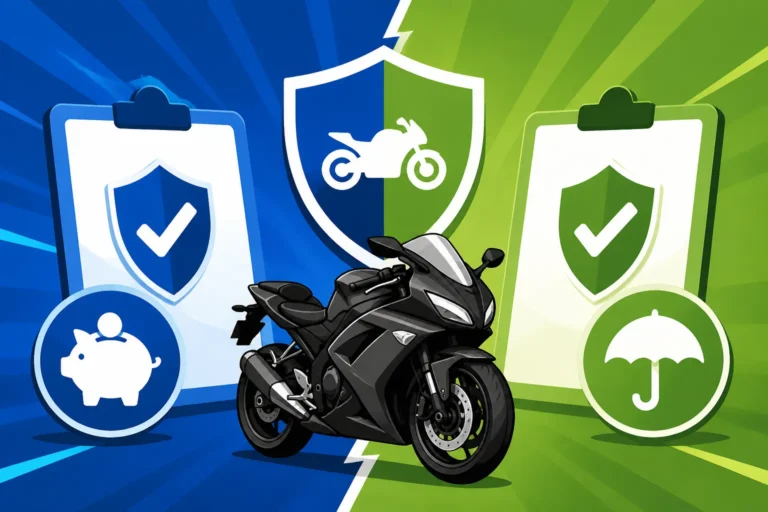
When you're trying to decide between Dairyland and Markel, it really boils down to what kind of rider you are, what kind of bike you have, and what your priorities are for coverage and price. They both serve the motorcycle community well, but they do it in slightly different ways.
Rate Comparisons in Real-World Scenarios
It's tough to give exact numbers without knowing your specific details, but we can look at typical scenarios where one might be more favorable than the other.
Imagine "Sarah," a 22-year-old new rider in Florida with a sport bike. She's just got her motorcycle endorsement and is looking for the most affordable liability-only policy to get started. In this case, Dairyland would very likely offer more competitive rates. Their focus on providing accessible coverage to newer or higher-risk riders means they might have a rate structure that's more forgiving for Sarah's profile. They are known for their budget-friendly options, especially for those who might be considered "non-standard" by other insurers. Now consider "David," a 55-year-old in California with a vintage 1970s Triumph Bonneville that he's meticulously restored, adding thousands in custom parts. He wants comprehensive coverage with an agreed value policy to protect his investment. For David, Markel would likely be the superior choice, not just in terms of rates for specialized coverage but also in their understanding and willingness to properly insure a unique asset. While Dairyland offers custom parts coverage, Markel’s expertise in classic and custom bikes, including agreed value options, would probably result in a more comprehensive and reassuring policy for David, even if the premium is slightly higher. For a broader view, it's always smart to check out guides like How Much Is Motorcycle Insurance? 2026 Cost Guide.
Key Differences in Coverage Philosophy
The core difference often comes down to their approach to risk and rider profiles.
Dairyland's philosophy often leans towards broad accessibility. They aim to get almost any rider on the road with coverage, focusing on providing options for those who might struggle elsewhere. This often means their base policies are quite straightforward, with the flexibility to add common enhancements. Their pricing structure tends to be competitive for a wide range of riders, especially those in the standard to slightly higher-risk categories. Markel, on the other hand, targets the passionate enthusiast. Their philosophy is about specialized protection for unique and valuable motorcycles. They understand the nuances of custom builds, vintage bikes, and the specific needs of riders who see their motorcycle as a significant hobby or investment. Their coverage options reflect this, with features like agreed value and robust accessories coverage being central to their appeal. While both offer solid coverage, Markel tends to provide more tailored solutions for niche markets.
Here's a quick comparison of Dairyland and Markel:
| Feature/Category | Dairyland Motorcycle Insurance | Markel Motorcycle Insurance |
|---|---|---|
| Primary Focus | Accessible, affordable coverage for a wide range of riders, including high-risk/new riders. | Specialized coverage for enthusiasts, custom, classic, and high-value bikes. |
| Target Rider | New riders, riders with violations, budget-conscious riders, those needing basic coverage. | Experienced riders, collectors, customizers, riders seeking specific niche coverage. |
| Key Advantage | Competitive rates, broad acceptance, good for SR-22 filings, range of standard discounts. | Agreed value options, high limits for custom parts/accessories, expertise in unique bikes, lay-up options. |
| Common Coverage | Liability, Collision, Comprehensive, UM/UIM, MedPay, Roadside Assistance, Custom Parts. | Liability, Collision, Comprehensive, UM/UIM, MedPay, Roadside Assistance, Trip Interruption, Agreed Value, OEM parts. |
| Potential Drawback | May not offer the most specialized coverage for highly unique bikes; standard policy might be less robust for collectors. | Rates can be higher for basic coverage; might not be the absolute cheapest for standard bikes/riders. |
| Online Experience | Generally strong online quoting and policy management. | Also good online presence, often requiring more detail for specialized quotes. |
Leveraging Comparison Tools and Agents
Comparing insurance means getting quotes. The absolute best way to do this is by getting multiple quotes from different providers. While it might seem like a hassle, it's truly the only way to ensure you're getting the best possible rate and coverage for your unique situation. Websites like The Zebra can be incredibly useful for this. They allow you to input your information once and receive quotes from several providers, including Dairyland and Markel, side-by-side. This saves a tremendous amount of time and effort compared to going to each company’s website individually.
Don't forget the power of an independent insurance agent, either. These professionals work with multiple carriers and can provide personalized advice, often helping you uncover discounts you didn't even know existed. They can also explain the nuances of different policies and help you understand how much liability insurance you need on a motorcycle. They’re like a personal guide through that confusing insurance maze we talked about earlier.
Maximizing Discounts and Tailoring Coverage
Once you have your quotes, it's time to play detective and maximize those savings. Look closely at the available discounts from both Dairyland and Markel. Common ones include multi-bike discounts if you have more than one motorcycle, loyalty discounts for staying with an insurer, and discounts for bundling your motorcycle policy with your auto or home insurance. Taking a recognized motorcycle safety course can often shave a significant amount off your premium, as it demonstrates a commitment to safe riding.
Beyond discounts, carefully consider your coverage levels. Do you need full coverage motorcycle insurance, or can you get by with liability-only? If your bike is older and paid off, you might save money by dropping collision and comprehensive, but weigh the risks carefully. Understanding minimum liability insurance explained can help you make an informed decision on how much coverage you truly need. Remember, insurance isn't a "set it and forget it" kind of thing. It's a good practice to shop around for new quotes annually or whenever your circumstances change, such as buying a new bike, getting married, or moving to a new state.
Disclaimer
This article is for general informational purposes only and does not constitute professional advice. Laws, prices and regulations vary by location and change over time. Consult a qualified professional for guidance on your specific situation.