Is Nationwide Cheap for Motorcycle Insurance?
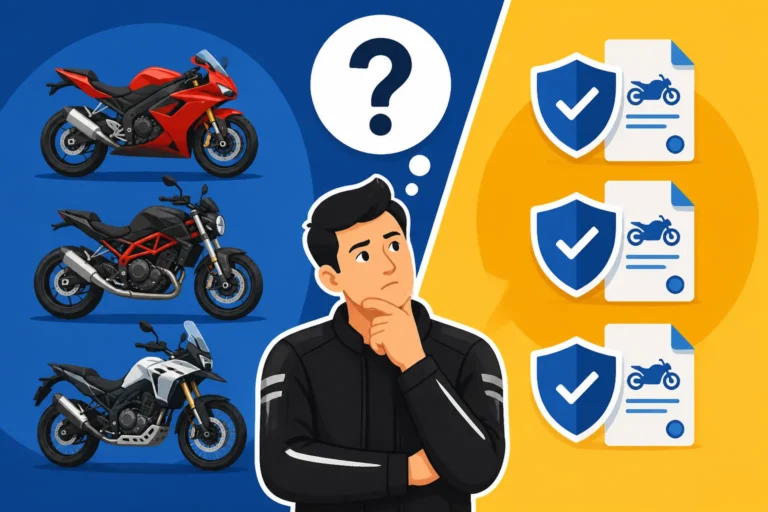
Trying to figure out if Nationwide is the right fit for your motorcycle insurance can feel like a guessing game. Every rider wants a policy that offers solid protection without breaking the bank, but what's "cheap" for one person might be expensive for another. This guide is going to break down Nationwide's motorcycle insurance offerings, helping you understand their typical pricing, what influences their rates, and how you can potentially score a great deal.
Is Nationwide a Cheap Option for Motorcycle Insurance?
The short answer is: it depends, but Nationwide is generally considered a competitive option, often landing in the mid-range for pricing, sometimes even on the cheaper side for certain rider profiles. It's not always the absolute cheapest across the board, especially when compared to highly specialized carriers or discount-focused providers, but it's rarely the most expensive either. What makes Nationwide appealing for many isn't just the potential for a lower premium, but often the convenience of bundling policies and their extensive network.
How Nationwide Compares Generally
When you're shopping for motorcycle insurance, you'll quickly realize that prices vary wildly between companies. Some insurers target specific demographics or bike types, leading to vastly different quotes. Nationwide, as a large, established carrier, tends to have a broad appetite for risk, meaning they'll insure a wide variety of riders and bikes. This broad approach often translates to competitive pricing that aims to appeal to a general market rather than just the lowest-risk profiles. They might not always beat a super-niche insurer for a very specific type of rider, but they often offer a strong value proposition, especially when you consider their robust customer service and claims handling.
For instance, a rider in their 40s with a clean record and a cruiser motorcycle might find Nationwide's rates surprisingly affordable, especially if they already have their auto or home insurance with them. On the flip side, a brand-new rider in their early 20s with a high-performance sport bike might find other insurers offering slightly lower rates, though Nationwide will still be in the running. It's this consistency in competitiveness across many scenarios that makes them a strong contender, rather than being an outlier at either end of the pricing spectrum.
Factors Influencing Nationwide's Rates
Just like any other insurance provider, Nationwide's motorcycle insurance rates are influenced by a multitude of factors, many of which are personalized to you and your ride. These elements collectively paint a picture of your risk profile, and the higher the perceived risk, the higher your premium will likely be. It’s not just about the bike you ride, but who you are as a rider, where you live, and how you choose to protect your investment. Understanding these factors can give you a better idea of where you stand with Nationwide's pricing structure before you even get a quote.
For instance, if you're a seasoned rider with years of experience and a spotless driving record, Nationwide is more likely to offer you a favorable rate. Conversely, if you're a newer rider, or if you've had a recent accident or traffic violation, your premiums will naturally be higher. Nationwide uses sophisticated algorithms, much like other major insurers, to assess these variables and assign a price that reflects the likelihood of a future claim.
Diving Deeper into Motorcycle Insurance Costs
Beyond just the insurer, the cost of your motorcycle insurance is deeply personal, rooted in a combination of your individual circumstances, the bike you ride, and where you hit the open road. It's not a one-size-fits-all equation, and understanding these underlying factors is key to deciphering any quote you receive, including those from Nationwide. If you want a full picture of what affects your motorcycle insurance rate, it's worth exploring all the variables.
Rider Demographics and Experience
This is often one of the biggest drivers of your premium, regardless of the company. Insurance providers, including Nationwide, look at statistics to determine how likely certain groups are to file claims. Younger, less experienced riders, typically those under 25, statistically have a higher accident rate. This means they often face significantly higher premiums. It's a tough pill to swallow for new riders, but it's a reality dictated by data. As you gain more experience and age gracefully, those rates tend to drop.
Your riding history also plays a huge role. A clean driving record, free of accidents, speeding tickets, or other moving violations, will always earn you lower rates. If you've had a recent claim or a DUI, expect your rates to climb. Even something like your credit score can affect your motorcycle insurance. Some states allow insurers to use credit-based insurance scores to help determine premiums, as studies suggest a correlation between credit history and the likelihood of filing a claim.
Your Bike and Its Specifications
Let's be honest, not all motorcycles are created equal in the eyes of an insurance company. The type of bike you ride has a massive impact on your insurance premium. Sport bikes, especially high-performance models like a Kawasaki Ninja or a Yamaha R6, are typically the most expensive to insure. Why? They're often associated with higher speeds, more aggressive riding, and their parts are often more expensive to repair or replace after an accident. If you're wondering, "How Much Is Motorcycle Insurance? 2026 Cost Guide" will tell you that the bike type is a major factor.
Cruisers and touring bikes, on the other hand, often fall into a more affordable category. They're generally perceived as lower risk due to their design for comfortable, longer-distance riding rather than aggressive performance. Even within these categories, engine size (CC), make, model, and even the bike's value all come into play. A brand-new, top-of-the-line Harley-Davidson Road Glide will cost more to insure than an older, smaller-engine Honda Rebel, even if both are considered cruisers. The cost of parts, the likelihood of theft, and the bike's overall market value all factor into the comprehensive and collision portions of your policy.
Where You Live and Ride
Location, location, location! It's not just for real estate; it's a huge factor in your motorcycle insurance rates. Living in a densely populated urban area, like Los Angeles or Miami, usually means higher premiums than living in a quiet rural town in Nebraska. Why? More traffic, higher rates of theft and vandalism, and a greater chance of accidents simply because there are more vehicles on the road. Urban areas also tend to have higher instances of uninsured motorists, which directly impacts the cost of your Uninsured Motorist Coverage.
Even within a single state, rates can vary significantly from one zip code to another. Insurers look at local claim data, traffic density, and even weather patterns. For instance, if your area experiences frequent hailstorms, your comprehensive coverage might be a bit higher. If your state mandates higher minimum liability insurance requirements, that too will affect your baseline cost. Understanding your state's specific requirements, like those detailed in a guide on Motorcycle Insurance Requirements by State (2026 Guide), is crucial for understanding your foundational premium.
Nationwide's Discounts and Savings Opportunities
Here’s where Nationwide can often shine and help you shave a significant amount off your premium, potentially making them a very "cheap" option for you. Like many major carriers, Nationwide offers a variety of discounts that reward responsible riding, safe habits, and loyalty. It's not just about their base rates; it's about how many of these discounts you can stack up. If you're looking for How to Get Cheap Motorcycle Insurance, exploring these discounts is your secret weapon.
Many riders overlook these savings opportunities, but taking the time to ask about them can lead to substantial savings. Remember, your agent won't always automatically apply every discount you qualify for, so it pays to be proactive.
Bundling and Multi-Policy Discounts
This is probably one of the most powerful ways to save money with a large insurer like Nationwide. If you already have your auto, home, or even life insurance with Nationwide, bundling your motorcycle policy with them can unlock significant savings across all your policies. The concept is simple: insurers reward customers who bring more business their way. The more policies you have with them, the more discounts you're likely to receive.
For example, if you have your car insurance and homeowners insurance with Nationwide, adding your motorcycle policy could net you a multi-policy discount that makes your total insurance expenditure lower than if you had separate policies with different carriers. This isn't just a small percentage off; these discounts can be quite substantial. For a deeper dive, consider whether Bundling Motorcycle and Auto Insurance: Worth It? for your specific situation.
Rider Safety and Affiliation Discounts
Nationwide encourages safe riding habits, and they'll reward you for it. Completing an approved motorcycle safety course, such as those offered by the Motorcycle Safety Foundation (MSF), can qualify you for a discount. This isn't just about saving money; it makes you a better, safer rider, which is a win-win. New riders especially should consider this, as it can offset some of those initial high premiums.
Furthermore, being a member of certain motorcycle clubs or associations, like the Harley Owners Group (HOG) or other similar organizations, might also qualify you for a discount. Always ask your agent if your affiliations can earn you a break on your premium. It pays to be part of the riding community in more ways than one.
Policy Management and Payment Discounts
Sometimes, simply how you manage your policy can save you money. Nationwide offers discounts for things like paying your policy in full upfront rather than in monthly installments. They also often provide a discount for setting up automatic payments. While these might seem like small savings individually, they add up over the course of a year.
Another common discount is for having multiple vehicles insured on the same policy, even if they aren't all motorcycles. If you have a car insured with Nationwide and add your motorcycle, this can often trigger an additional multi-vehicle discount on top of the bundling discount. Always make sure you're asking about all the potential Motorcycle Insurance Discounts You're Missing.
How to Get the Best Rate with Nationwide
Even if Nationwide isn't the absolute cheapest option for everyone, there are definitive steps you can take to ensure you're getting the most competitive rate possible from them. It's about being proactive, informed, and strategic in how you approach your insurance needs. Don't just accept the first quote you get; dig a little deeper to optimize your policy for both coverage and cost.
Getting and Comparing Quotes
The first and most crucial step is to get a personalized quote directly from Nationwide. You can do this online, over the phone, or through a local agent. Be prepared to provide detailed information about yourself, your riding history, your motorcycle, and your desired coverage levels. Accuracy is key here; don't guess on details, as it could lead to discrepancies later.
Once you have Nationwide's quote, don't stop there. It's vital to compare it against other insurers. Websites like The Zebra can be incredibly helpful for this, allowing you to quickly get multiple quotes from different providers side-by-side. This way, you can see how Nationwide stacks up against competitors for your specific profile. Remember, what's cheap for your buddy with a cruiser might not be cheap for you with your sport bike, so comparing quotes tailored to your situation is the only real way to know. How to Compare Motorcycle Insurance Quotes is an invaluable resource for navigating this process effectively.
Adjusting Coverage to Fit Your Budget
One of the most significant levers you have for controlling your premium is adjusting your coverage. While you always want adequate protection, "full coverage" isn't a single, fixed thing. It's a combination of different types of motorcycle insurance coverage, each with its own cost. If Nationwide's initial quote feels too high, you might consider tweaking your policy. For a thorough overview, check out the Types of Motorcycle Insurance Coverage Explained.
Here's how you might adjust:
- Deductibles: Increasing your deductibles for collision and comprehensive coverage will lower your premium. Just make sure you can comfortably afford the deductible amount in case you need to file a claim.
- Collision and Comprehensive: For older, lower-value bikes, carrying only liability coverage might make financial sense. If your bike isn't worth much, paying for collision and comprehensive might not be cost-effective in the long run.
- Add-on Coverages: While coverages like roadside assistance, trip interruption, and custom parts coverage are great to have, they add to your premium. Consider what you truly need versus what would be nice to have. If your budget is tight, some of these might be good places to trim.
- Liability Limits: While you should always carry enough liability to protect your assets, sometimes increasing the limits significantly beyond state minimums can raise your premium. Find a balance between protection and affordability.
By strategically adjusting these elements, you can often find a sweet spot with Nationwide that offers solid protection at a price that fits your budget.
Factors Affecting Nationwide's Motorcycle Insurance Rates
Let's summarize the key elements that influence whether Nationwide (or any insurer) will be "cheap" for your motorcycle insurance.
| Factor | How it Impacts Rate | Why it Matters for Nationwide |
|---|---|---|
| Rider Age & Experience | Younger/newer riders pay more; older/experienced pay less. | Nationwide, like others, uses actuarial data heavily. |
| Driving Record | Tickets, accidents, DUIs increase rates significantly. | Clean record is paramount for the best Nationwide rates. |
| Motorcycle Type | Sport bikes are more expensive; cruisers, standards less so. | Costs for parts, theft risk, and performance are calculated. |
| Engine Size (CC) | Higher displacement often means higher risk and cost. | Larger engines generally correlate with higher premiums. |
| Location (Zip Code) | Urban areas, high theft/accident zones cost more. | Local claim data and risk factors directly influence rates. |
| Annual Mileage | More miles often mean more risk, leading to higher premiums. | Nationwide might offer discounts for low mileage riders. |
| Coverage Levels | Full coverage is pricier than liability-only. | Customizable coverage allows you to balance cost and protection. |
| Deductible Amount | Higher deductibles mean lower premiums (and vice-versa). | Your chosen deductible directly impacts out-of-pocket costs and premiums. |
| Discounts Applied | Bundling, safety courses, loyal customer status save money. | Nationwide excels with multi-policy and safety discounts. |
| Credit Score (where allowed) | Better credit often correlates with lower rates. | Strong credit history can lead to more favorable pricing. |
Ultimately, getting the "cheapest" rate from Nationwide involves presenting the lowest possible risk profile and taking advantage of all eligible discounts. Comparing their offerings with tools like The Zebra will give you a clear market perspective. Remember, getting a great deal on motorcycle insurance isn't just about finding the lowest number, but finding the right balance of price and comprehensive protection that truly makes you feel secure on the road. Don't be afraid to ask questions and negotiate; your peace of mind (and your wallet) will thank you. For more tips on how to lower your motorcycle insurance premium, explore our guide on that topic.
Disclaimer
Please remember that insurance policies and rates can change. The information provided here is for general guidance and informational purposes only and does not constitute professional insurance advice. Always consult with a qualified insurance professional or agent to discuss your specific needs and obtain accurate quotes. Coverage and availability may vary by state and individual circumstances.